Don’t Let an AI Grade Its Own Homework — Use a Second Model to Review

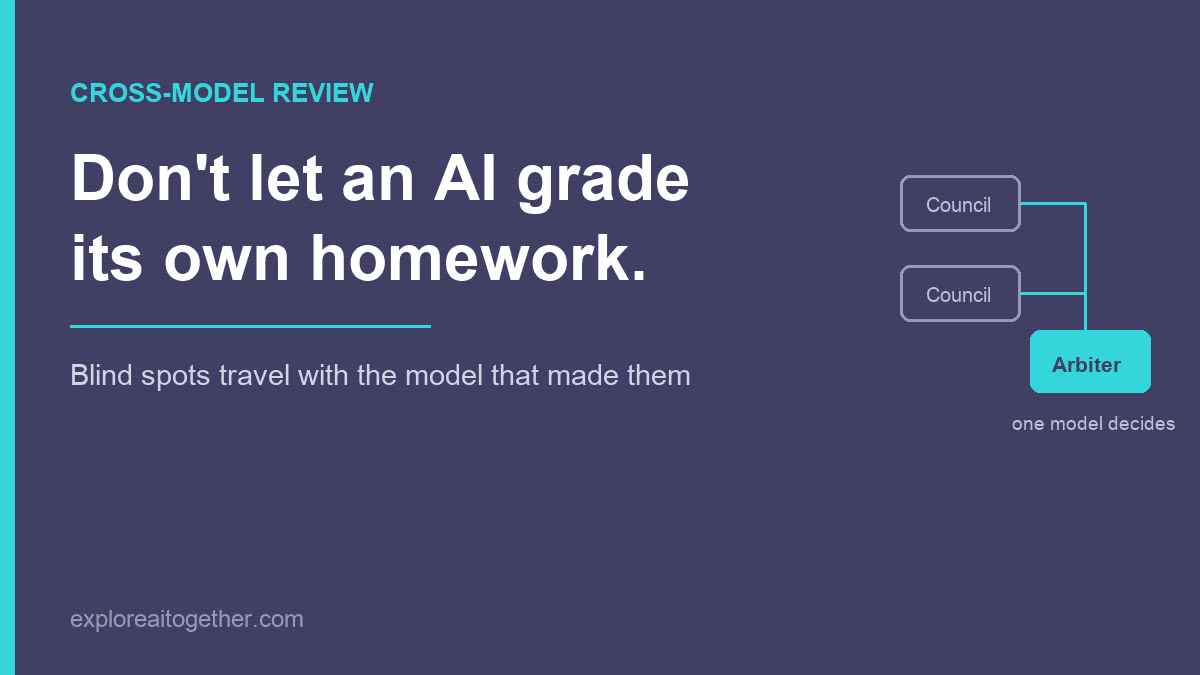
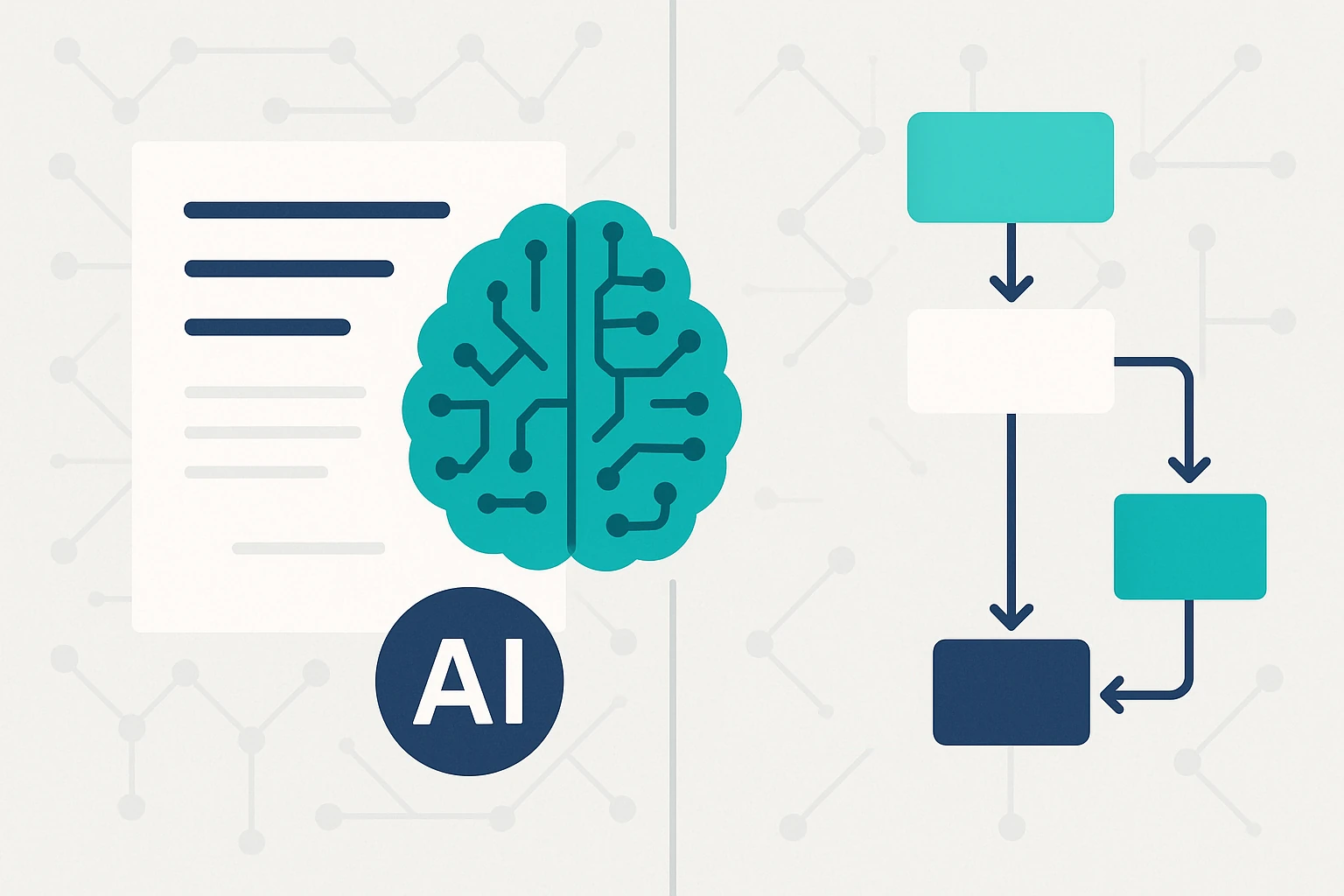
Don't let an AI grade its own homework. Diagram showing two council models feeding their responses into a single arbiter model that decides what to adopt.

Ask an AI to check its own work and it mostly agrees with itself — the blind spots that shaped the answer also shape the review. Here’s the two-model fix, the AI Council loop I used to design ChainMate, and why you name one model as the arbiter instead of letting them vote.

Claude Usage Limit Reached? Here’s What Actually Happens — and How to Keep Working

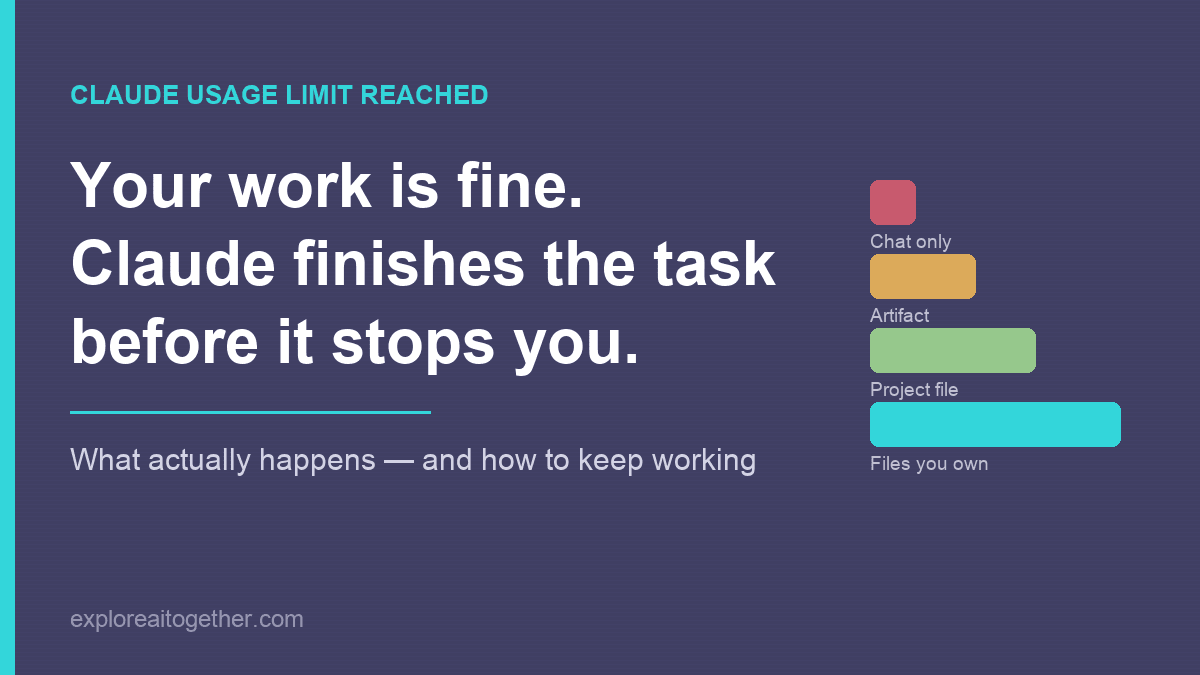
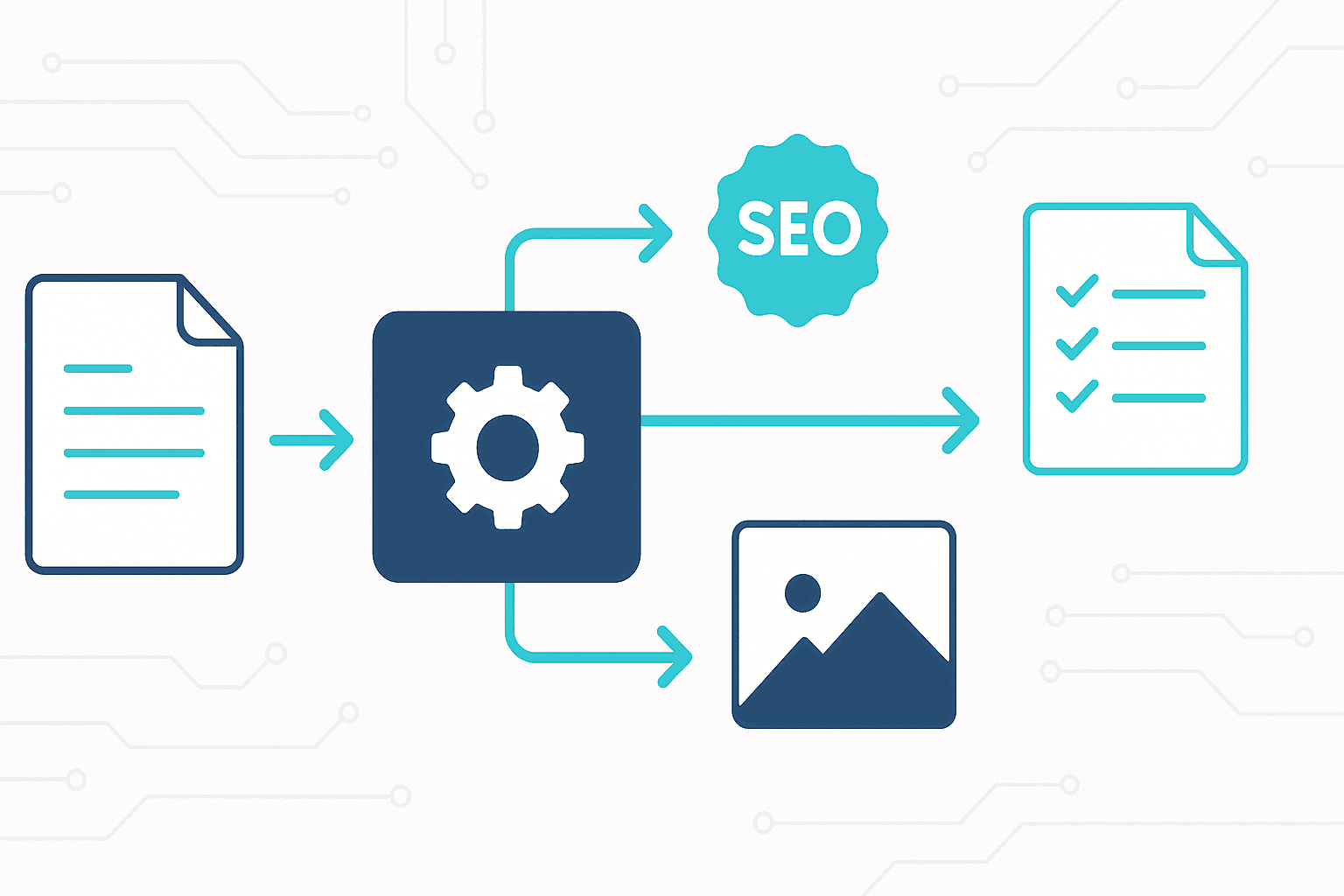
Claude usage limit reached: your work is fine because Claude finishes the task before it stops you. Bars compare how well work survives a limit depending on where it lives, from chat only up to files you own.

Your work is almost certainly fine — Claude finishes the task before it stops you. What actually happens when you hit the limit, what to do in the next five minutes, and the three changes that make the next one a non-event.

AI Loops for Real Life: A No-Code Guide for Job Hunting, Bills, and Big Decisions

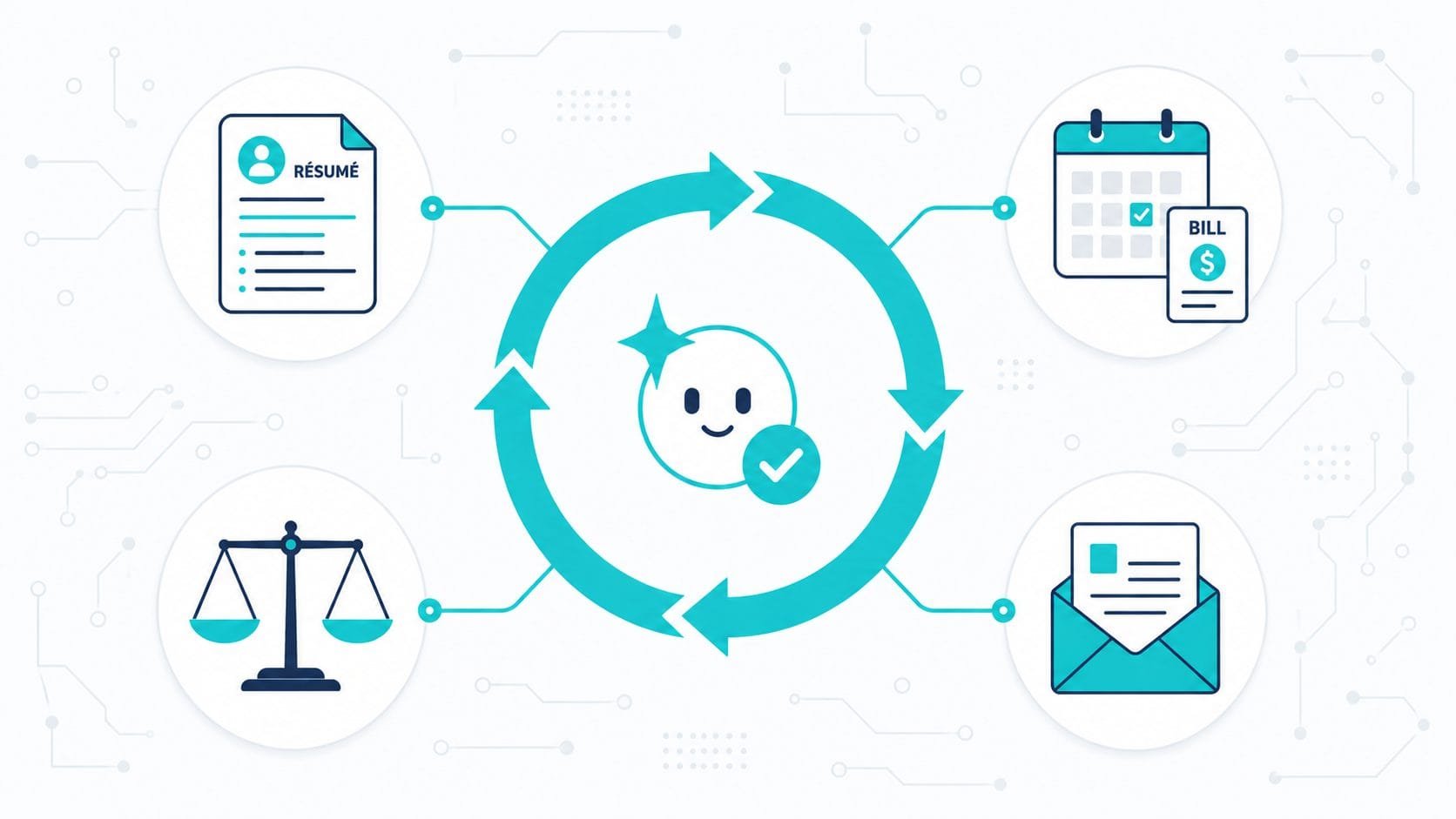
Flat vector illustration of a teal AI loop cycle with a smiling node, ringed by resume, bill, scales, and letter icons.

The “loop” everyone’s hyping isn’t only for developers. Here’s the no-code version of AI automation — a reusable setup plus a goal the AI checks itself against — with four real-life templates for job hunting, bills, big decisions, and paperwork.

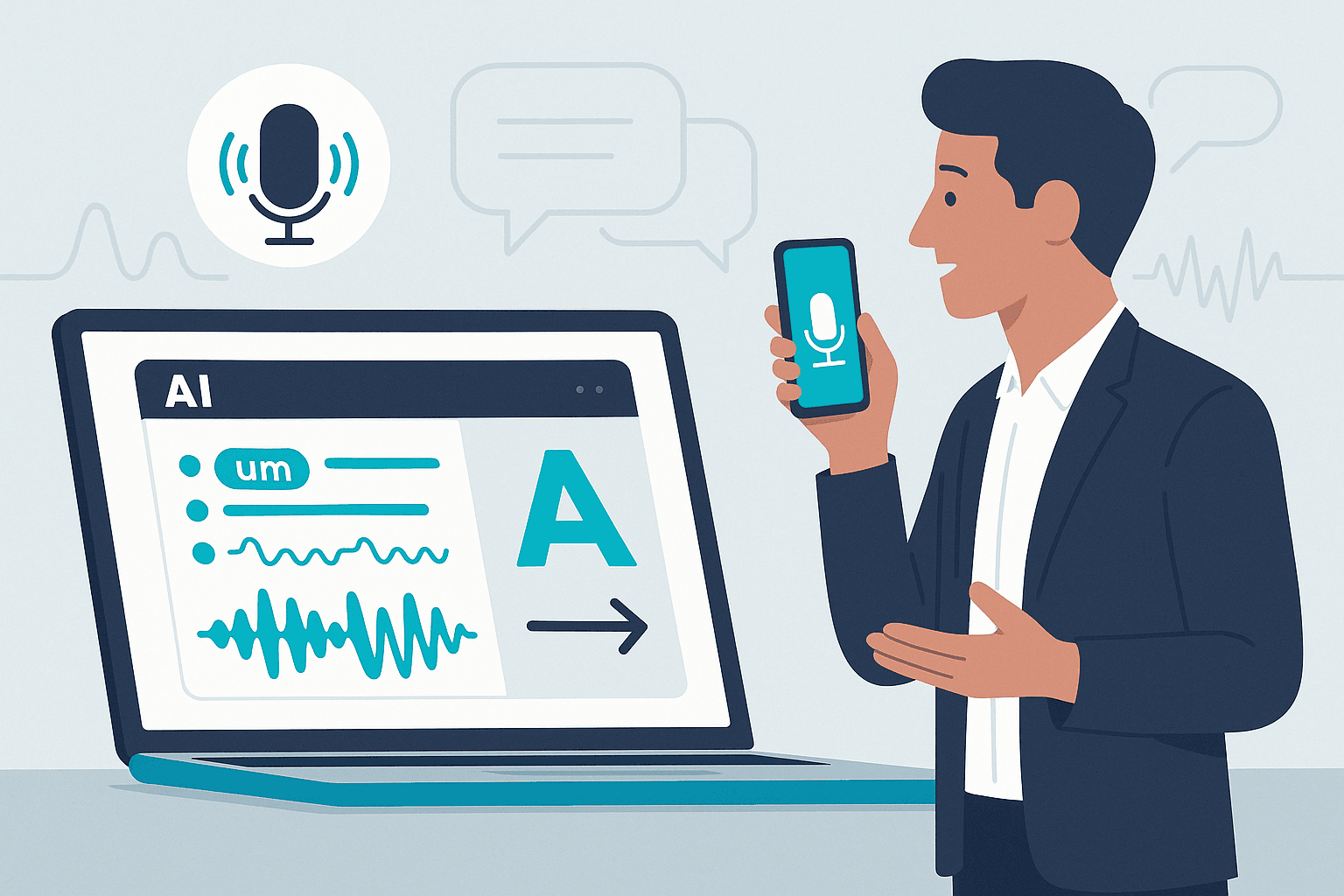
Five Ways to Double Your Effectiveness When Using AI

AI coaching a human on how to effectively use AI - feature image for 5 tips article on exploreaitogether.com

Most people use AI the same way they use Google. They type a question, skim an answer, and move on. That works fine for facts. It works terribly for thinking. If you’re using AI for anything that involves judgment—ideas, writing, decisions, planning—the bottleneck usually isn’t the model. It’s how the interaction is structured. Over time, … Read more