AI Terms Explained: 15 Words You’ll Hear When You Start Building With AI
A plain-English guide to 15 AI terms worth knowing, from weights and tokens to hooks, harnesses, MCP, and agent swarms.

A plain-English guide to 15 AI terms worth knowing, from weights and tokens to hooks, harnesses, MCP, and agent swarms.

Scheduled AI tasks let you ask once and have the work repeat automatically — a daily language exercise, a weekly briefing, an inbox summary you actually read. This guide covers picking a first task, setting it up in ChatGPT or Claude with a ready-to-copy prompt, and checking that it actually runs and delivers before you rely on it.
Find out how to push through AI based objections when you are trying to accomplish a task.
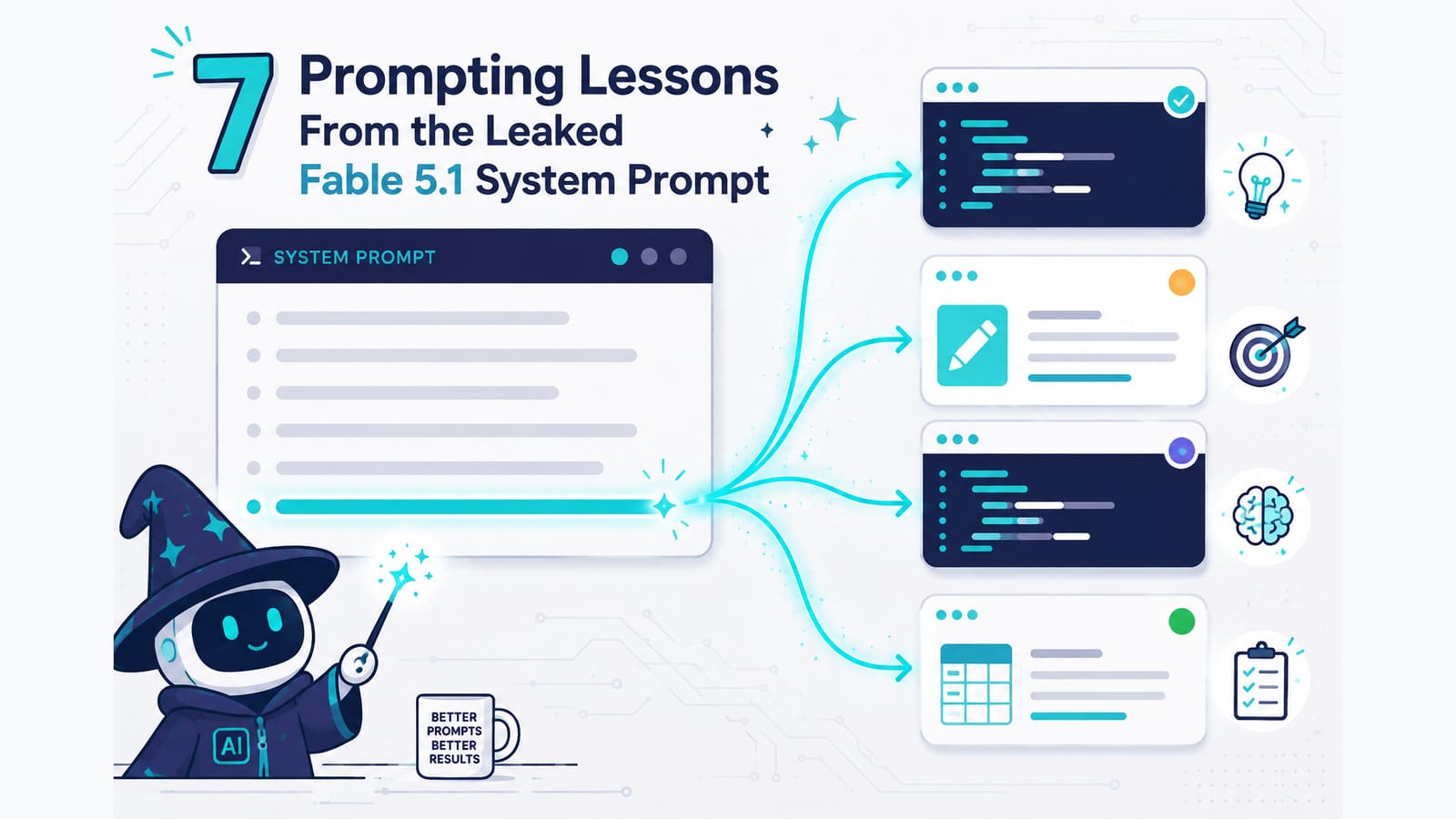
A copy of the Fable 5.1 system prompt circulated on release day, and the interesting part is where its length goes: overwhelmingly on how the model should decide rather than what it should say. Seven of those decisions transfer into ordinary prompts as single sentences — including the three most people never write. The source is unverified, and the post explains why that doesn’t matter.
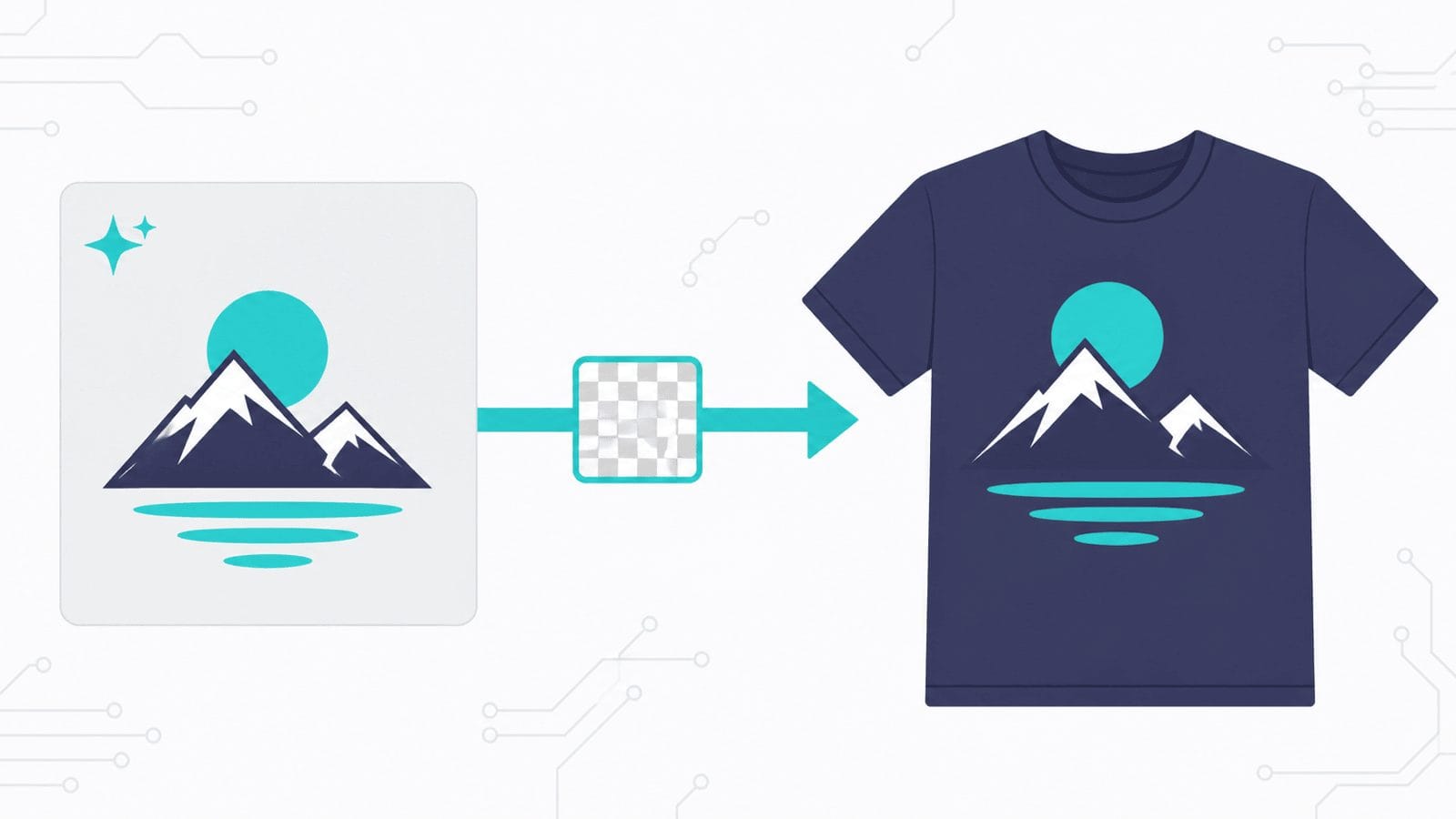
Print on demand has three stages, and AI has arrived unevenly across them. This guide walks the whole process end to end — research, design prompts, file prep, mockups, listing SEO and disclosure — using ChatGPT, Claude or Gemini plus free tools, with no specialist print-on-demand software. Includes the one prompt-level habit that saves the most time: generate on a background you chose to remove.

Claude can now run its own sessions. Dispatch takes an outcome you text from your phone, splits it into tasks, and runs each as its own session on your computer. Here’s what Dispatch, cross-session messaging and agent teams each do, and how to pick the right one.
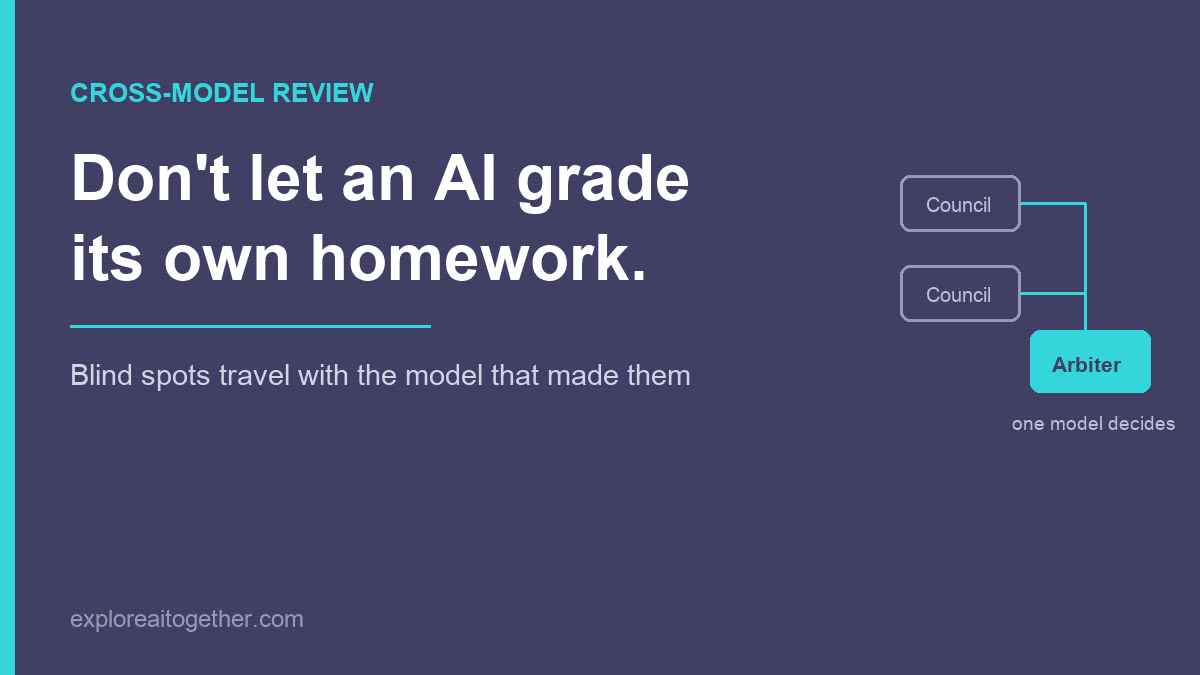
Ask an AI to check its own work and it mostly agrees with itself — the blind spots that shaped the answer also shape the review. Here’s the two-model fix, the AI Council loop I used to design ChainMate, and why you name one model as the arbiter instead of letting them vote.
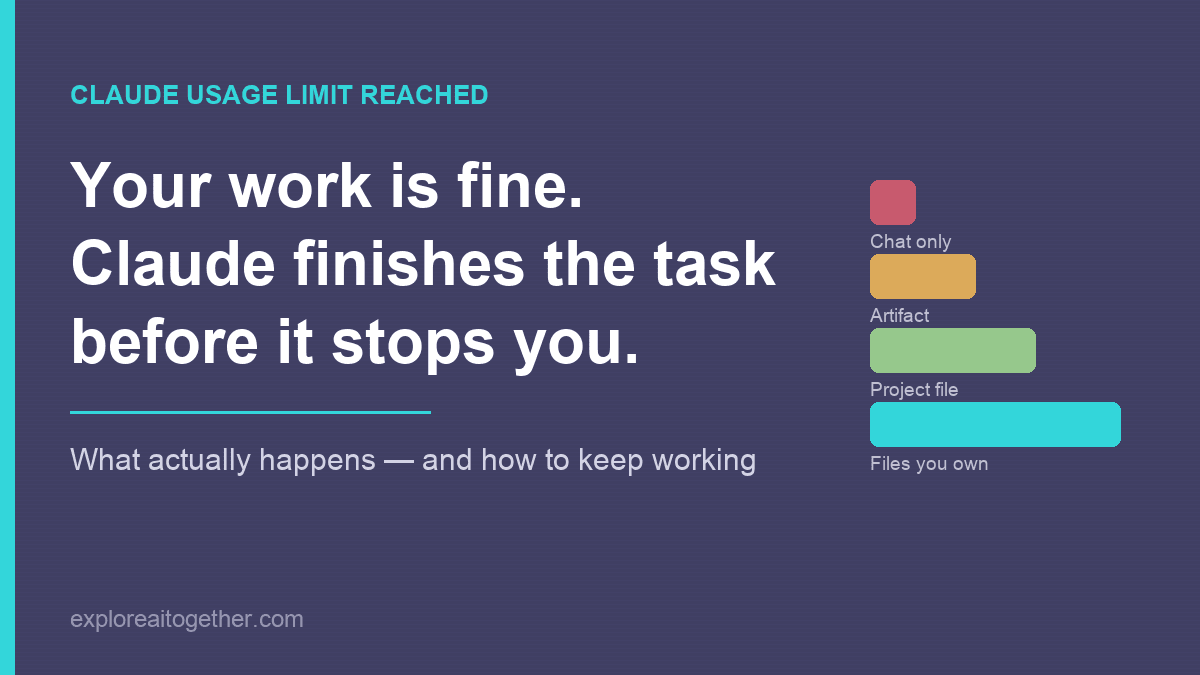
Your work is almost certainly fine — Claude finishes the task before it stops you. What actually happens when you hit the limit, what to do in the next five minutes, and the three changes that make the next one a non-event.