
I’ve seen a lot of chatter on Reddit lately about how to stop AI-generated writing from sounding, well… so obviously AI-generated. It’s something that’s been on my mind too. I decided to use one of my ten monthly ChatGPT Plus deep-dive sessions to explore what exactly gives AI outputs that distinctly robotic flavor. To keep it relevant and grounded, I had the AI specifically analyze my own content—so you’ll notice quite a few references to what I’ve published already.
What’s Actually Making AI Writing Feel Robotic?
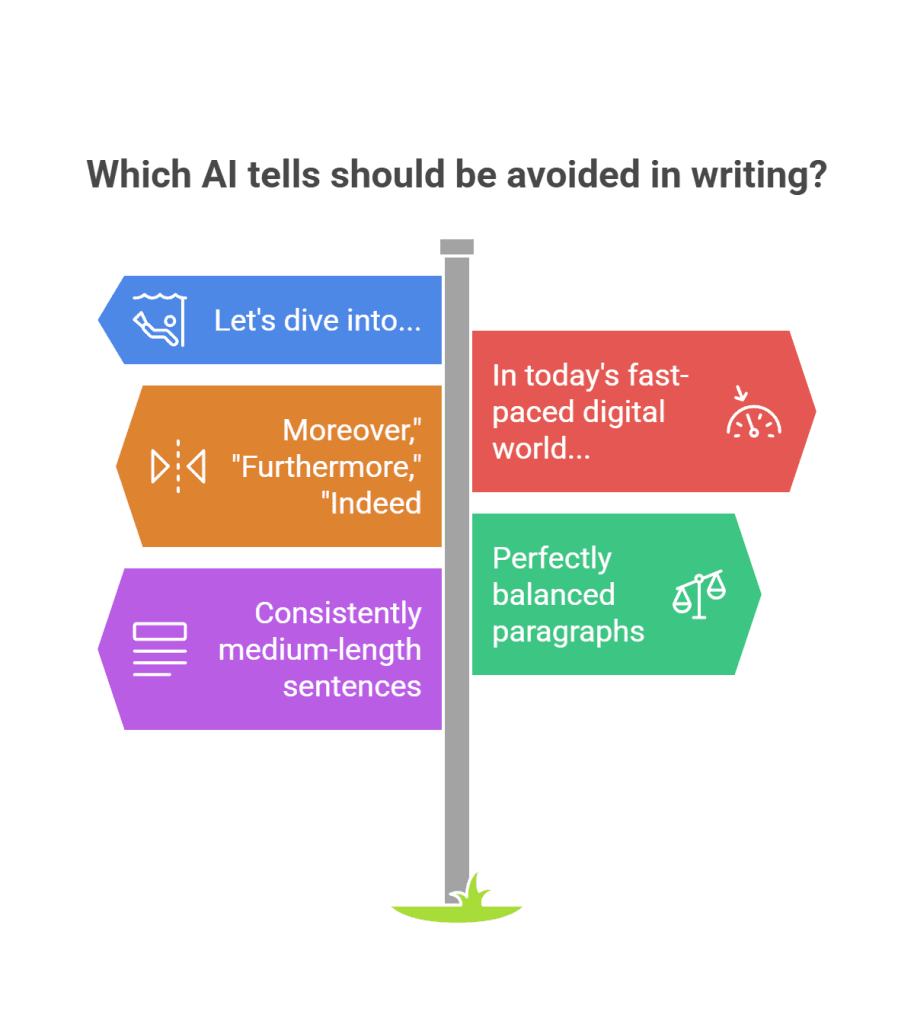
The analysis pointed out a few common patterns. AI-generated text tends to be overly formal, with a rigid sentence structure and a distinct lack of emotional nuance or personality. It often avoids contractions and casual language—the kind of conversational style real humans naturally use. Additionally, AI loves repetition and generic phrasing, which quickly becomes a giveaway.
How to Actually Make AI Writing Sound Human
After digging into this, here are some genuinely useful, non-AI-sounding strategies I uncovered:

1. Talk Like a Real Person (Casually!)
People naturally use contractions, informal phrases, and conversational language. Toss out phrases like “it is” and “do not” and replace them with “it’s” and “don’t.” Seriously—this small shift instantly warms up your content.
2. Mix Up Your Sentence Lengths
Humans speak in rhythms. We switch between short, punchy statements and longer, more complex ones. Mixing up your sentence lengths mimics natural speech patterns, making the text feel less mechanical.
3. Show Some Personality
Personality is exactly what makes humans interesting. Don’t shy away from injecting humor, opinions, or even a quirky observation here and there. Readers connect better when they sense there’s a real person behind the words.
4. Lean Into Emotions
AI typically struggles with emotions—it either ignores them completely or uses them awkwardly. To combat this, actively incorporate emotional language. Describe feelings, reactions, and human experiences explicitly.
5. Anchor Your Content in Real-Life Examples
Generic, vague references scream “AI-generated!” Real humans naturally reference specific, relatable situations. Ground your text in concrete examples and personal anecdotes.
🤖 Robot Writing
- Main Text: In today’s fast-paced digital age, leveraging cutting-edge AI tools has become a game-changer for productivity. This revolutionary shift enables unprecedented efficiency in various tasks. Moreover, it empowers professionals to unlock their potential and thrive in the evolving landscape. In conclusion, embracing these advancements is crucial for success in modern workplaces.
- Buzzwords: “fast-paced digital age,” “cutting-edge,” “game-changer,” “revolutionary shift,” “unprecedented,” “unlock potential”
- Structure: Uniform sentence length, formal transition (“Moreover”), forced conclusion
- Voice: Detached, overly formal, generic
🧑 Human Writing
- Main Text: I’ll be honest—using AI tools at work has made my job a lot easier. For example, last week I used an AI assistant to draft a report, and what used to take me 3 hours was done in 30 minutes. It wasn’t perfect on the first try (I had to tweak a few sentences), but it saved me from staring at a blank page. And the best part? I spent the extra time brainstorming creative ideas instead of slogging through rote tasks.
- Specificity: Concrete example of time saved (3 hours → 30 minutes), mention of imperfection, personal benefit
- Structure: Mix of long and short sentences, conversational question, natural ending
- Voice: Personal, authentic, uses contractions and first-person
Mistakes You’ll Want to Avoid
From my own experience and this deep dive, here are a few pitfalls you’ll want to dodge:
- Avoid stiff, academic language: Unless your audience expects it, ditch the textbook voice.
- Don’t over-explain: Humans naturally assume shared context. AI often overdoes explanations—it’s a clear sign of artificiality.
- Limit repetition: AI-generated content often unnecessarily repeats concepts or phrases. Humans rarely do this unless emphasizing a critical point.
Some Tools I’ve Found Useful
I’ve tried quite a few tools that help spot robotic tendencies in AI-generated writing. Grammarly and Hemingway App are excellent for refining the style and flow, and even though ChatGPT was the starting point of this exploration, manually editing afterward remains essential.
Final Thoughts
Writing with AI should be a coordinated dance between your thoughts and the execution and leverage that the AI can give you. You should not naturally accept most first versions of an output without putting some human scrutiny into it – this applies to content creators (I assume most of my audience) or casual users who are doing day to day tasks like helping craft an email response.
Give these ideas a shot—I think you’ll find your writing improves, readers stay engaged longer, and no one immediately thinks, “An AI definitely wrote this.”